Most businesses don’t have a talent problem. They have an attention problem. Every day, good people lose hours to work that isn’t really their job: chasing a status update, re-typing the same information into a second system, following up on a request that’s gone quiet, building a report by hand because nothing pulls the data together automatically. None of it takes much skill. All of it takes attention — and attention is the one thing a growing team never has enough of.
Read Post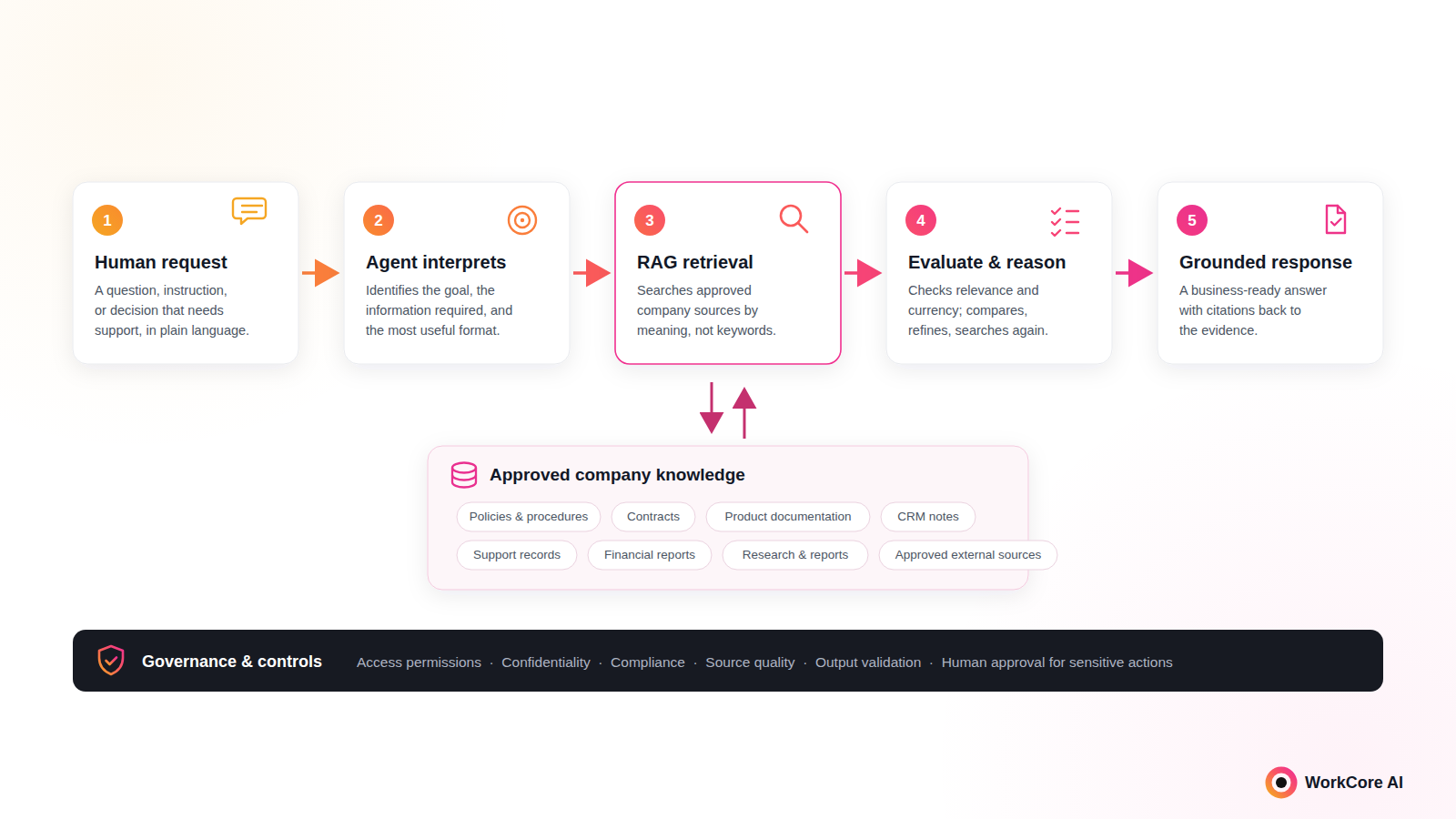
AI agents are moving from experimental chatbots to practical business systems. They can answer customer questions, support employees, analyze company information, and help leaders make decisions.But how does an agent turn a simple human request into a useful, trustworthy response—especially when the answer depends on private or constantly changing company knowledge?A common answer is Retrieval-Augmented Generation, or RAG.
Read Post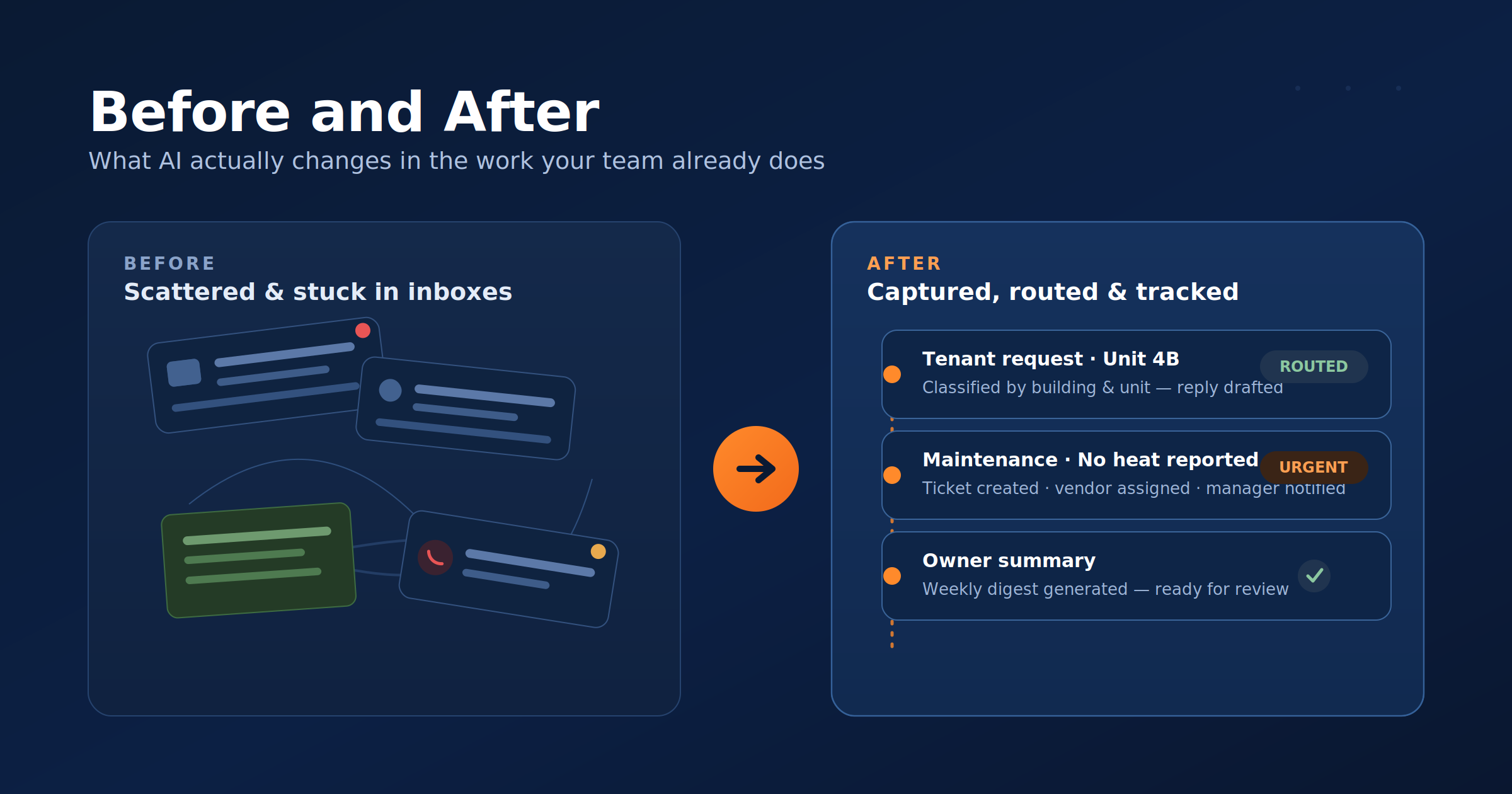
Most operations teams aren't slowed down by a lack of effort. They're slowed down by where the work lives; tenant requests buried in inboxes, maintenance updates trapped in text threads, estimates waiting on a reply, and reporting that only happens when someone finds the time. AI doesn't fix that by adding another tool. It fixes it by organizing the work that's already happening.
Read Post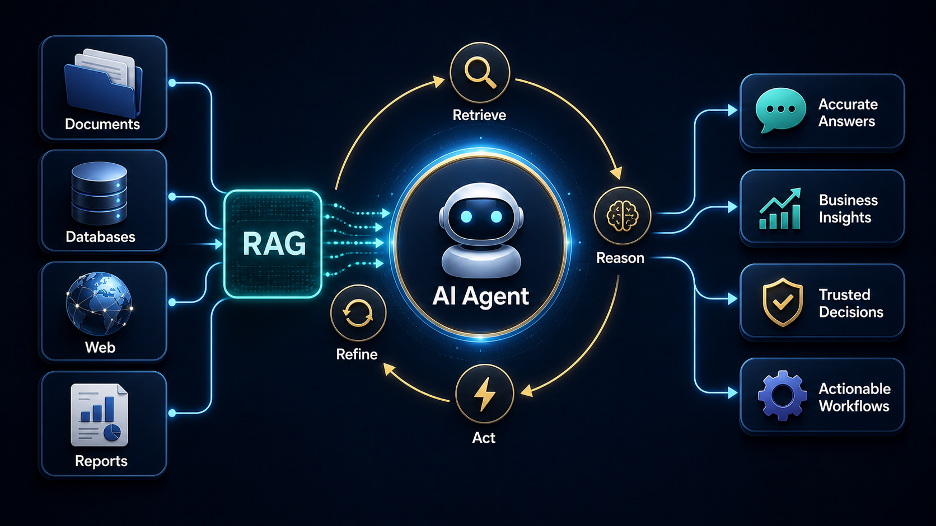
As AI becomes more capable, one challenge continues to stand out: how do we make AI systems accurate, current, and trustworthy? This is where a concept called RAG (Retrieval-Augmented Generation) comes in. And when you combine RAG with agentic workflows, you unlock a powerful way to build smarter, more reliable systems.
Read Post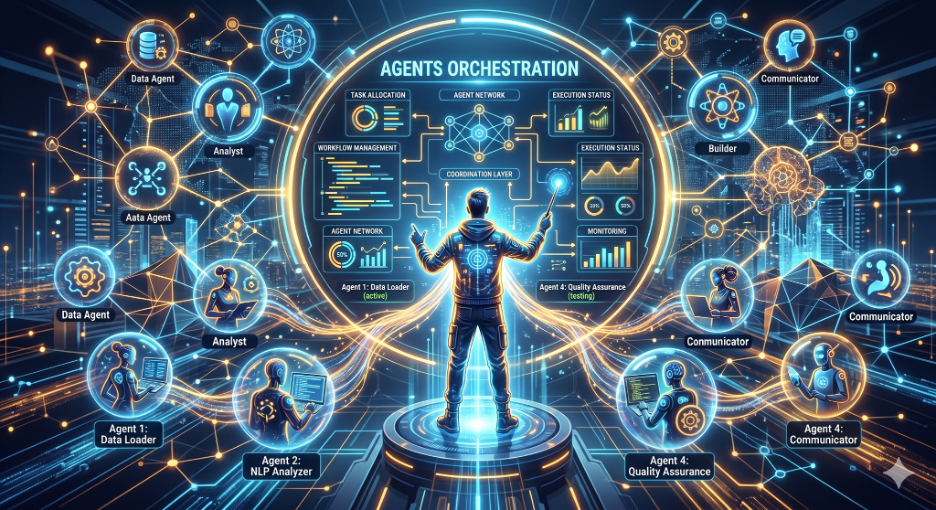
Over the past year, one concept has stood out more than anything else: agent orchestration. While it may sound technical, the idea is simple—and incredibly powerful.
Read Post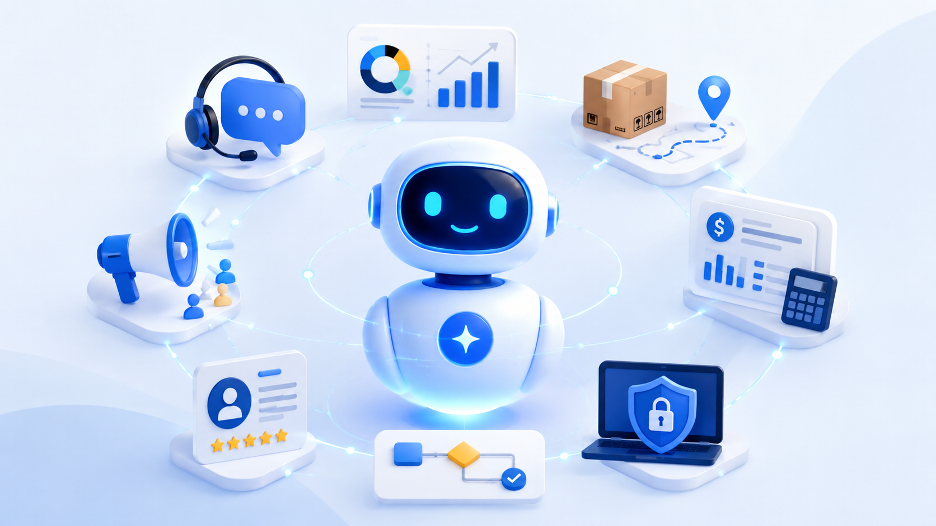
What makes AI agents powerful is their ability to combine data, decision-making, and action. Unlike traditional tools, they don’t just provide insights—they act on them.
Read Post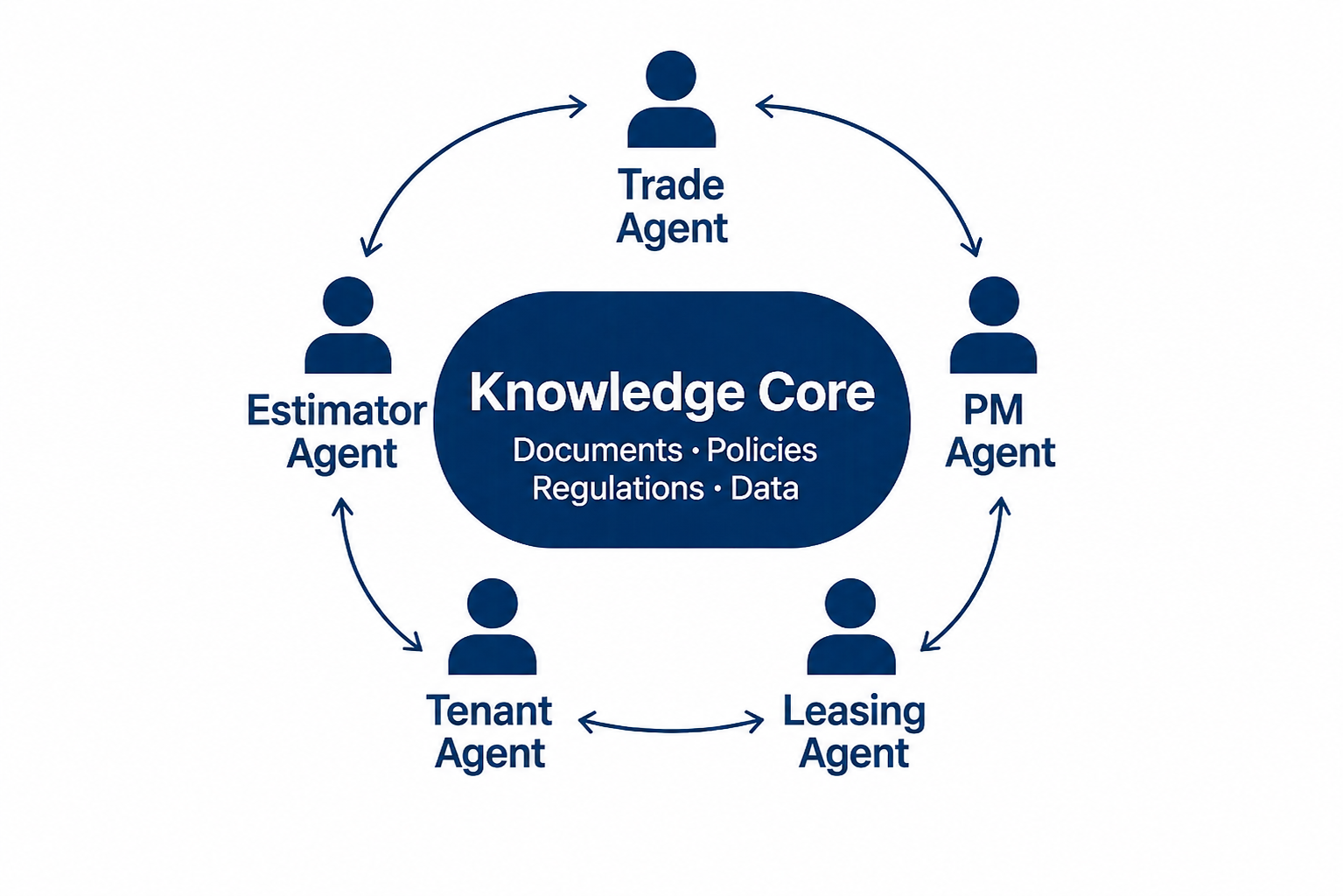
Managing a property portfolio has always meant orchestrating dozens of moving parts — tenant requests, maintenance schedules, ownership reporting, and vendor coordination — often across organizations that barely share a phone call, let alone a data layer.
Read Post
Agentic AI is an AI system capable of autonomously planning, reasoning, and taking actions. It is rapidly becoming a key focus for enterprises looking to move beyond traditional automation.
Read Post
Many small and mid-sized businesses are interested in AI, but most do not have the time, technical team, or internal capacity to turn AI into practical day-to-day value.That is the gap WorkCore AI is being built to solve.
Read Post